Finding Your Ideal Fit: A Righteous Apparel Fit Guide
Landing on the correct size ought not to amount to guesswork, yet that’s exactly what takes place when shoppers order online without a solid reference point. The brand built this guide because sizing questions come up constantly, whether someone is buying their first righteous hoodie or replenishing a wardrobe of righteous clothing staples. How a piece hangs and how long it remains part of your wardrobe both hinge on fit. A shirt that’s too tight under the arms gets pushed to the back of the closet within weeks. No matter how great the design is, a hoodie that is oversized at the shoulders comes across as unkempt. This guide walks through how the brand’s garments are cut, how to measure yourself accurately, and how to compare across categories so you order once and get it right.
Sizing inconsistency across brands is one of the most common frustrations in online shopping. A medium in one label might fit like a small in another. That’s why the brand is addressing it head-on rather than assuming customers already know how righteous apparel runs. If you’re new to the brand, or you’ve already read a righteous review or two before buying, this article still provides the practical details for deciding confidently the first time around.
What Causes Sizing to Vary Across Righteous Clothing
Most apparel brands, not just this one, cut garments differently across a collection — no single garment follows the same cut. To create that oversized silhouette, a relaxed hoodie calls for extra room through the chest and sleeves — a fitted tee, by contrast, is cut tighter against the body for a clean sit. When you’re shopping the righteous clothing brand catalog, it helps to think of sizing in terms of garment category instead of a single universal chart.
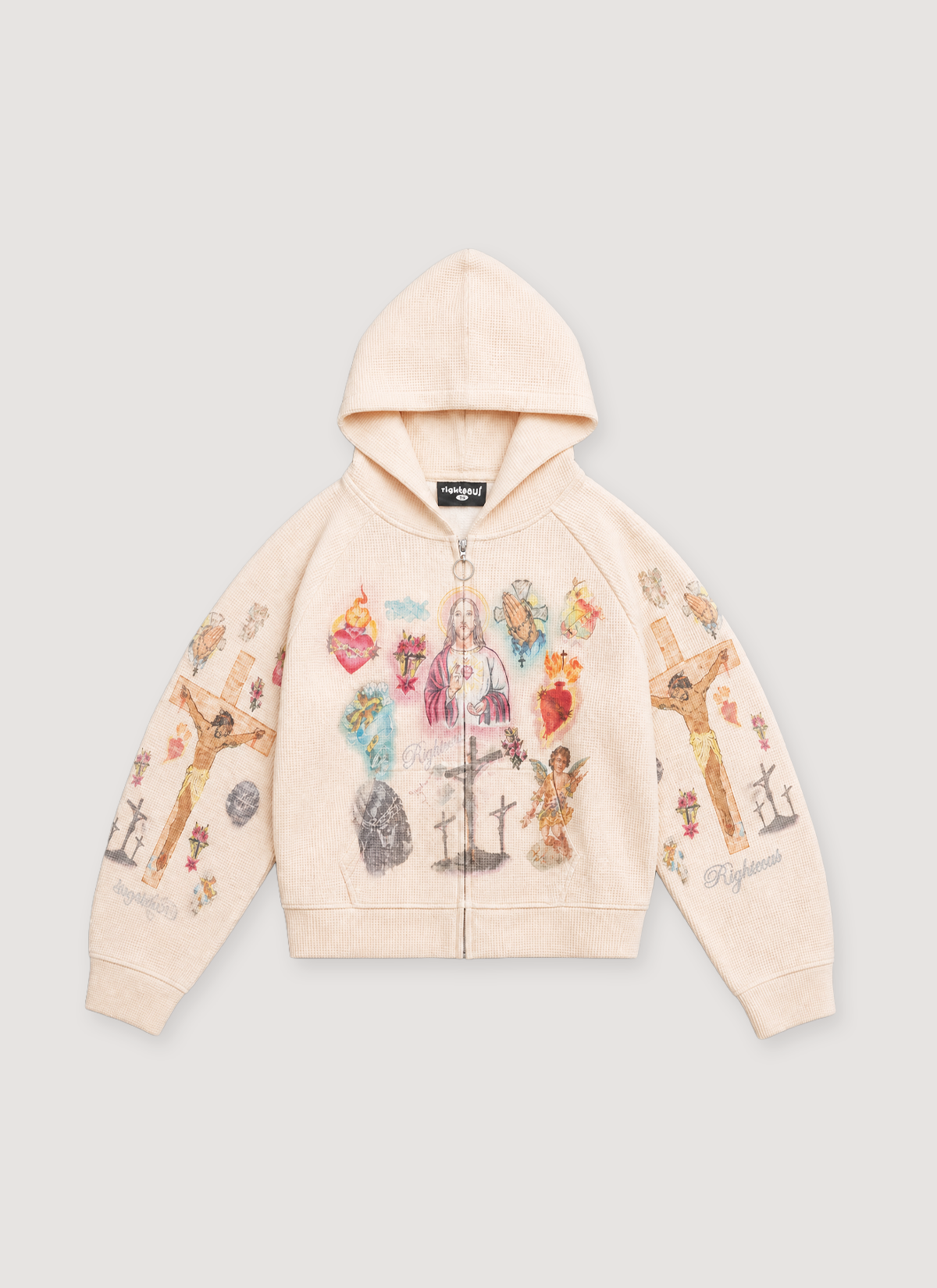
Take heavyweight fleece versus lightweight cotton rightious shorts jersey — they perform quite differently. With less stretch in fleece, the same size label that fits tight on a cotton tee might run tight on a heavyweight hoodie. That’s why We Are Righteous provides category-specific measurements rather than one blanket size chart for everything. Sleeve length, body length, and shoulder width all shift depending on whether you’re looking at outerwear, tops, or bottoms.
Shrinkage is another factor worth mentioning. If not cared for properly, cotton-heavy fabrics can shrink slightly after the first few washes — typically in the range of 2-4% depending on fabric composition and wash temperature. The original fit is preserved longer when you wash in cold water and avoid high-heat drying. This is a small detail, but it matters when you’re trying to maintain the exact fit you selected at checkout.
How to Measure Yourself Before Ordering
Picking up a flexible measuring tape and noting three essential measurements eliminates most sizing snags ahead of time. The chest, waist, and hip figures underpin a correct sizing choice, and they take less than five minutes to jot down. Stand naturally, avoid pulling in your midsection, and keep the tape snug but not tight against the skin.
To measure the chest, loop the tape around the widest point of your chest, generally right at nipple level, and keep it parallel to the floor. You measure the waist at the slimmest section of your torso, usually an inch or two above the belly button. Hip measurement wraps around the fullest point of your lower body, typically six to eight inches below the waistline.
With those three measurements in hand, compare them against the individual item’s size chart not just going by memory of what size you wear elsewhere. Sizes are not standardized across the fashion industry, and even from one line to the next of the same brand, cuts shift based on fabric and style. Nothing works better to reduce return rates and get a garment that fits correctly on the first try.
Decoding Fit Types: The Relaxed, Regular, and Oversized Categories
The language around fit types tends to be used inconsistently across the industry, so it helps to clarify what each term means within the We Are Righteous catalog. Regular fit follows the natural line of the body with a modest ease through the chest and waist, creating a clean silhouette while staying comfortable. A relaxed cut introduces extra room throughout, especially through the body and sleeves, resulting in a roomier hang that still holds its shape.
Oversized fit, which shows up frequently in the righteous hoodie lineup, is intentionally cut larger than standard proportions. The shoulder seam drops further down the arm, sleeves are lengthened, and the body length extends past the hip. This is a deliberate style choice rather than a sizing error, so if you order an oversized hoodie anticipating a snug fit, you’ll likely be let down. Checking the product description together with the size chart tells you which fit category you’re dealing with.
The same reasoning applies to bottoms. Joggers and sweatpants described as relaxed will have a more generous leg opening and more spacious seat, while slim-cut styles narrow toward the ankle. Matching your expectation to the actual fit type prevents the most common complaint we see in customer feedback and in any honest we are righteous review: garments that fit other than how the buyer expected since they skipped the fit description first.
Contrasting Size Ranges Across Product Categories
Given that top layers, hoodies, and bottoms are constructed in distinct ways, it is useful to understand how sizing tends to change from one category to another side by side. The chart that follows outlines typical size range behavior for the three primary product types in the current catalog, based on typical adult size ranges from XS through XXL.
| Garment Type | General Fit Style | Chest/Waist Ease | Length Behavior |
|---|---|---|---|
| Tee tops | Regular | 2-3 inches of extra space at the chest area | Usual hem hitting at the hip |
| Hoodie styles | Loose-fitting | 4-6 inches of room at chest | Extends 2-3 inches below the hip |
| Jogger pants | Easygoing | 1-2 inches of ease at waist | Full length with an elasticized cuff |
This side-by-side view makes it simpler to grasp why a medium hoodie might feel looser than a medium tee, even though both are marked the identical size. Construction and the planned silhouette aren’t the same, and that difference is deliberate rather than inconsistent. If you’re ordering from several categories at once, it’s still worth reviewing each item’s own size chart, but this comparison offers a starting point before you dive into specifics.
Common Fit Questions From We Are Righteous Customers
A frequently asked question is whether to go a size larger or smaller for a cropped look on hoodies. If you want the oversized silhouette to sit shorter on the body, sizing down by one size usually achieves that without sacrificing shoulder and sleeve proportions too drastically. Sizing down more than one size, however, often throws off the planned silhouette of the garment, so it’s not recommended.
Another frequent question involves wearing pieces on top of one another. Shoppers layering a hoodie above a tee or long-sleeve base sometimes size up to allow for the extra bulk. This holds up with relaxed and oversized cuts but can look too baggy with standard-fit tops, since those are already cut closer to the body. If you intend to layer, factor that into your measurement comparison before ordering.
Questions about returns and exchanges are common too, and while the exact terms are detailed at checkout and in the FAQ section of the site, the main guidance remains the same: when torn between two size options, check the specific garment’s finished measurements against your own body measurements rather than automatically choosing your go-to size. This one simple step resolves the majority of fit uncertainty before an order is even placed.
Final Fit Tips for 2026 Shoppers
Sizing shouldn’t be a barrier between you and a piece you actually want to wear. Spending a few minutes measuring yourself, reviewing the fit description, and comparing it against the category chart eliminates most of the guesswork that causes returns. While the lineup expands with fresh silhouettes throughout 2026, these core ideas still apply regardless of the particular piece.
Prior to settling on a size, start by measuring, compare against the chart, and consider the planned silhouette — this remains consistent whether you’re building a complete collection around we are righteous brand pieces or just picking up a single hoodie to gauge the fit and quality. Fit confidence brings about less returning of items, longer-lasting wear, and a wardrobe that really gets put on instead of remaining stashed in a drawer.
Clear sizing guidance converts a first-time order into a returning-customer bond, and this is the intention behind offering detailed charts and fit summaries rather than general general sizing. Place one order after you measure twice, and the fit will follow.


Leave a Reply