The strongest human evidence is for topical use on photoaged skin (where controlled trials have reported improved skin density), thickness, and wrinkle appearance after 12 weeks of daily application. Most of the published human evidence is for topical cosmetic use in photoaged skin. If you want to dig into primary sources, the Pickart & Margolina 2018 review in International Journal of Molecular Sciences is the most comprehensive single document on GHK-Cu’s regenerative actions and is open-access on PMC. A reader trying to decide between GHK-Cu and any of these should treat them as different research questions — not different products in the same category. Matrixyl is purely topical and targets collagen signaling; BPC-157 and TB-500 are research compounds with much more controversial regulatory and evidence profiles.
Research published in Biomedicines explains how GHK-Cu acts as a safe copper delivery system, bringing this essential mineral exactly where it’s needed without the toxic side effects. That decline tracks with visible aging (slower wound healing), thinning hair, and loss of skin elasticity. This copper-bound peptide was discovered in human blood plasma back in 1973 by Dr. Loren Pickart, who noticed that blood from young people promoted tissue repair far better than blood from older people.
SeekPeptides recommends matching vial size to your protocol duration for optimal potency. Consider splitting the powder into two sterile vials before reconstitution if using lower doses, or choose 50mg vials for protocols requiring less than 2mg daily. Note that 100mg vials at daily 2mg dosing provide 50 days of product, which exceeds the 30-day reconstituted stability recommendation. Larger vials offer better value but require careful storage consideration since reconstituted peptides should be used within 30 days. This formula works for any vial size and any reconstitution volume, making it essential for accurate peptide dosing. Using 2.5mL of bacteriostatic water is the most common approach for 50mg vials.
A comparison of GHK-Cu with similar compounds
The peptide does not appear to function as a conventional signaling molecule. Proper self-injection requires reconstitution of lyophilized powder with bacteriostatic water (use of a gauge insulin syringe), and rotation among abdominal and thigh injection sites. The milligram quantities and large vial sizes are what distinguish GHK-Cu pages from the microgram arithmetic of most peptides. GHK-Cu is sold in larger vials than most peptides because the quantities on the pages are in milligrams.
What the published studies found
Reddit comments mention 2 mL, 3 mL, 5 mL, 6 mL and 10 mL, and some people move the solution to a larger empty the discussion of MOTS-c research sterile vial to fit it. One r/Biohacking poster with exactly this setup reported 6 units for 2 mg — so the arithmetic matches practice. One commenter wrote that “most people” use 2 mg, which fits the count and shows how a convention spreads. Five reported 2.5 to 3 mg (and five reported 3.3 mg or more), up to 5 mg a day for a year or longer.
Standing behind itBlend protocol; the cycle belongs to the blend Evidence comes from preclinical research — in vitro studies, and small uncontrolled human trials, with no geriatric-specific randomized controlled trial published as of 2025. Systemic subcutaneous dosing should be deferred until frailty status is re-evaluated or until a geriatrician has explicitly weighed in on the risk-benefit calculation. Diabetic older adults represent one of the most clinically motivated use cases for GHK-Cu, given the compound’s documented effects on wound healing and angiogenesis . It integrates copper metabolism monitoring, renal function tracking, and falls-risk reassessment at defined intervals. A valid prescription from a licensed practitioner with a documented patient-practitioner relationship is required.
GHK-Cu Dosage Calculator: Concentration and Measurement Math
First, animal doses do not scale to people by simple multiplication. This is the single most common error in peptide dosing arguments online. Compare it with the 15.8 mg sitting in a single vial. Cosmetic studies of copper peptide creams generally used concentrations around 0.05 to 0.1 percent GHK-Cu. So a single vial holds about 167 times the amount your bloodstream carries naturally.
The FDA currently lists GHK-Cu for injectable routes of administration among bulk substances for which compounded injectable drugs may present significant safety risks. A dose, concentration or percentage from one category does not automatically transfer to another. GHK-Cu has a long research history as a naturally occurring copper-binding peptide, and topical GHK-Cu has been studied in limited human skin research.
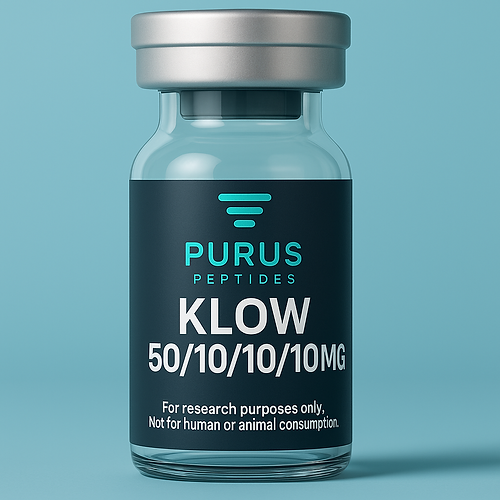
If you’re new to GHK-Cu — start topical for skin and track it with photos for three months. More than 100 research articles have been published that explore different facets of GHK-Cu biology. For those seeking vials (BrainFlow directs readers to GHK-Cu from Everest Peptides), available in 50mg or 100mg, which has been third-party tested by Freedom Diagnostics and is sold by a store with a 4.9-star rating on Trustpilot.
First Step: Examine the label
A lyophilized research vial is not, and pushing a homemade solution through micro-channels in the skin is a different risk from rubbing on a finished product. These are unblinded impressions, some from people using other products at the same time. Another wrote that improvements begin toward the end of the first month — with the best results at 3 to 6 months. One said some people see results at 6 to 8 weeks. Among the Reddit dose reports, most described a single daily morning or evening injection. One commenter claimed that many 100 mg vials hold 130 to 150 mg, which I could not verify and which is why a batch certificate matters.
Injectable GHK-Cu versus Topical: Which One Is Superior?
While there is no clinical trial data backing this exact regimen, it resembles the cycling method utilized in other peptide protocols designed to minimize receptor downregulation and manage cumulative metal accumulation. In patients aged 65 and older (daily doses exceeding 2 mg should only be considered in exceptional wound-care situations), accompanied by proper documentation and monitoring. In 2018 — the most extensive narrative review on GHK biology was published, detailing its impacts on wound healing, collagen production, signaling for inflammation reduction, and repair of the nervous system. Although GHK-Cu does not serve as a traditional CYP substrate, the oxidative cycling of copper relies on the synthesis of ceruloplasmin, which occurs in the liver. Aging introduces factors that significantly differentiate the dosing requirements for individuals aged 65 and older from those in younger age groups.